


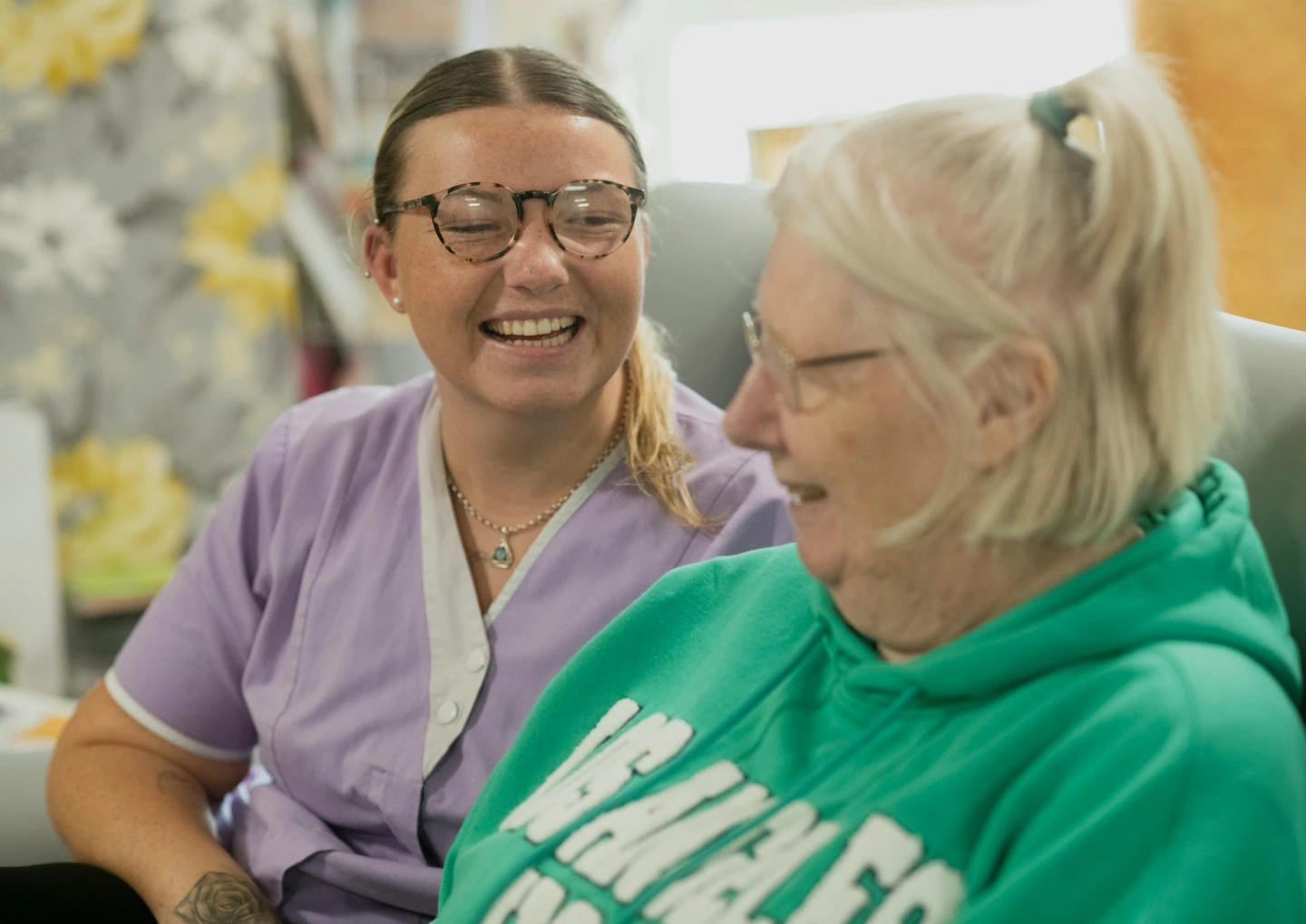
When someone is diagnosed with a chronic illness or cancer, it is often family members, partners, and close friends who step into the role of caregiver. They coordinate appointments, administer medication, provide emotional support, and manage the practical demands of daily life. While caregiving can be deeply meaningful, it can also be physically, emotionally, and mentally exhausting.
Caregivers frequently prioritize the needs of their loved ones above their own, often neglecting their own well-being in the process. Over time, this can contribute to caregiver burnout, a state of physical, emotional, and mental exhaustion that affects both the caregiver's quality of life and their ability to provide effective support (Adelman et al., 2014).
At Cape Clarity, we recognize that caring for a loved one can be one of life's most rewarding experiences. However, caregivers also deserve care, compassion, and psychological support.
What Is Caregiver Burnout?
Caregiver burnout occurs when the ongoing demands of providing care exceed a person's emotional, physical, or psychological resources. Unlike everyday stress, burnout develops gradually through prolonged exposure to high levels of responsibility, uncertainty, and emotional strain (Family Caregiver Alliance, 2022).
Many caregivers feel guilty acknowledging that they are struggling. They may believe they need to remain strong or worry that asking for help means they are failing the person they love. In reality, recognizing burnout is an important step toward protecting both the caregiver and the person receiving care.
Signs of Caregiver Burnout
Although everyone's experience is different, common signs include:
- Persistent physical and emotional exhaustion
- Feeling overwhelmed or emotionally numb
- Increased irritability or frustration
- Anxiety or low mood
- Difficulty sleeping
- Withdrawing from friends and social activities
- Feeling guilty when taking time for yourself
- Difficulty concentrating
- Loss of enjoyment in previously meaningful activities
Caregivers may also notice changes in their own physical health, including headaches, muscle tension, lowered immunity, or increased susceptibility to illness (Adelman et al., 2014).
The Hidden Emotional Impact of Caregiving
Caring for someone with a chronic illness often involves navigating uncertainty, grief, and changing family roles. Caregivers may grieve the life they once shared with their loved one while simultaneously managing fears about the future.
Many also experience what psychologists refer to as anticipatory grief, which is the grief that occurs before an expected loss. This emotional experience can be confusing because caregivers are often balancing hope with sadness, resilience with exhaustion, and love with frustration (Rando, 2000).
These emotional responses are normal and understandable. They do not mean someone loves their family member any less.
Why Self-Care Is Not Selfish
Self-care is often misunderstood as something indulgent or optional. In reality, it is an essential component of sustainable caregiving.
Research consistently demonstrates that caregivers who prioritize their own physical and psychological well-being experience lower levels of stress and are better able to provide ongoing support to their loved ones (National Academies of Sciences, Engineering, and Medicine, 2016).
Self-care does not require hours of free time. Small, consistent actions can make a meaningful difference, such as:
- Taking regular breaks
- Maintaining social connections
- Engaging in physical activity
- Practicing mindfulness or relaxation techniques
- Eating regular, nourishing meals
- Seeking emotional support from trusted friends or mental health professionals
- Joining a caregiver support group
Even brief moments of rest can help replenish emotional resources.
The Importance of Asking for Help
Many caregivers feel they should manage everything independently. However, caregiving is not something anyone is meant to do alone.
Seeking support may involve asking family members to share responsibilities, speaking with a psychologist, attending a support group, or accessing community resources. Research suggests that psychological interventions can reduce caregiver stress, anxiety, and depressive symptoms while improving overall well-being (Northouse et al., 2010).
Professional support also provides caregivers with a space where their own emotions, fears, and needs can be acknowledged without judgment.
Caring for Yourself Allows You to Care for Others
Caregiving is an act of profound compassion. Yet compassion must also be directed inward.
Looking after your own well-being is not a sign of weakness or selfishness. It is an investment in your ability to continue supporting the people you love while protecting your own physical and emotional health.
At Cape Clarity, we believe that caregivers deserve the same compassion they so freely offer others. Whether you are supporting someone living with cancer, chronic pain, or another long-term health condition, psychological support can help you navigate the challenges of caregiving with greater resilience, self-compassion, and balance.

